A roof shouldn’t be judged only by what it costs on installation day. The more useful question is what that roof may cost you over the years you own the property. Lifespan, repairs, maintenance, storm performance, and future replacement cycles all belong in the calculation.
That’s especially important in New York. Roofs here have to withstand summer heat and humidity, heavy rain, wind, winter snow, ice, freeze-thaw cycles, and major temperature swings. Long Island homes may also experience coastal moisture and stronger storm exposure.
So while homeowners often search for the longest-lasting roofing options for Long Island homes, lifespan alone doesn’t determine value. A material that can last for generations may still be the wrong investment for your roof design, budget, maintenance expectations, or ownership timeline.
The goal is to choose a roofing system that fits the property and performs reliably for as long as you expect to benefit from it.
What Actually Determines Long-Term Roofing Value?
- Expected service life in New York conditions
- Installation cost versus total ownership cost
- Wind, rain, snow, ice, and temperature performance
- Maintenance and repair requirements
- Roof design and structural needs
- Installation quality and attic ventilation
- Your expected ownership timeline
- Architectural fit and curb appeal
Which Roof Materials Tend to Last Longest in New York?
Slate and certain metal roofing systems generally offer the greatest potential longevity, while asphalt shingles provide a more affordable balance of lifespan, repairability, and performance. Cedar can also last for decades, but exposure to moisture and maintenance play a larger role. The best choice depends on more than years alone; it depends on what those years cost you.
Roof Lifespan Starts With the Entire System
It’s tempting to ask, “How long does this roofing material last?” and expect one number.
Real roofs don’t work that way.
The finished surface is only one part of the system. Decking, underlayment, flashing, ventilation, valleys, fasteners, drainage, penetrations, and installation workmanship all influence how long the roof performs.
A premium roofing product installed over poor decking or with inadequate ventilation can fail earlier than a more modest material installed correctly.
Service life can also be affected by sun exposure, trees, snow accumulation, roof pitch, wind exposure, moisture, drainage, and maintenance history.
That’s why lifespan figures are better treated as planning ranges than promises. The investment starts with selecting an appropriate material, but installation determines whether that material gets a fair chance to perform.
Asphalt Shingles Balance Cost, Flexibility, and Performance
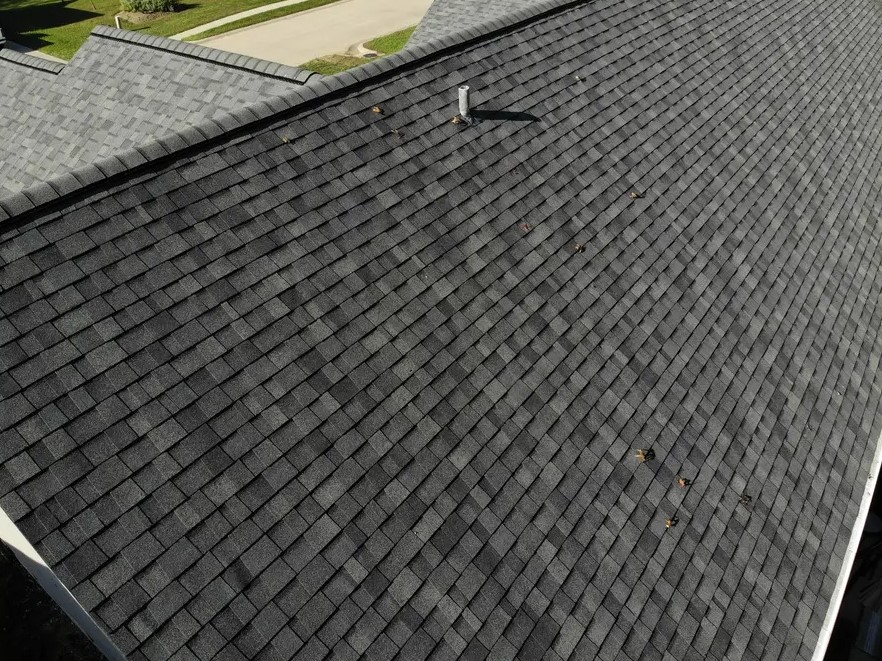
Asphalt shingles remain a practical option for many New York homes because they work with a wide range of roof shapes, architectural styles, and budgets.
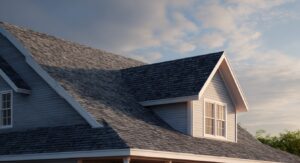
Depending on the product, installation, ventilation, weather exposure, and maintenance, an asphalt shingle roof may provide roughly 20 to 30 years of service. Higher-quality architectural and dimensional shingles can offer stronger durability than basic products.
New York weather can influence that lifespan through repeated wind exposure, snow and ice, freeze-thaw cycles, moisture, summer heat, and debris accumulation. Attic ventilation matters too because excess heat and moisture can accelerate deterioration from underneath the roofing system.
When Asphalt Makes Financial Sense
Asphalt is often worth considering when you want a manageable upfront investment, a broad range of styles, straightforward localized repairs, and a material that works well on complicated rooflines.
Homes with multiple dormers, valleys, intersections, and architectural details may also benefit from the installation flexibility shingles provide.
This is why comparing asphalt shingles to metal roofing in New York based solely on expected lifespan overlooks part of the financial picture. Asphalt may need replacement sooner, but the lower initial investment and easier repair process can still make it a better fit for some owners.
Metal Roofing Can Reduce Future Replacement Cycles
Metal usually costs more upfront than asphalt, but the ownership math changes when you plan to stay in the property for decades.
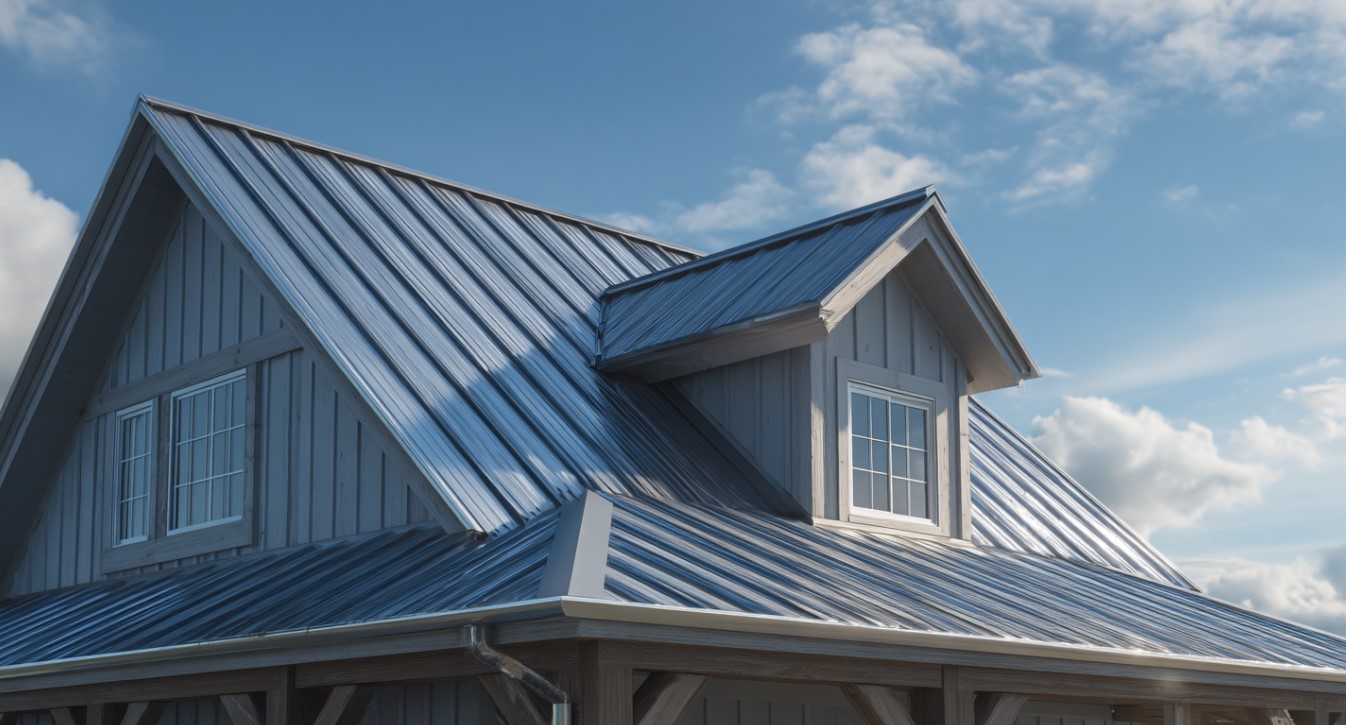
Depending on the roofing system, finish, installation, exposure, and maintenance, metal can remain in service for 40 years or longer. That can reduce the number of full replacements a long-term homeowner may face.
Metal also handles rain and snow efficiently and can perform well against wind, moisture, UV exposure, and freeze-thaw conditions when the complete system is properly designed and installed.
It isn’t maintenance-free, though. Seams, flashing, penetrations, fasteners, coatings, and other details still need to perform correctly.
Is Metal Worth the Higher Initial Cost?
Metal becomes more attractive when fewer replacement cycles, long service life, and strong weather performance justify paying more upfront.
Asphalt may remain the stronger choice when budget is the priority, the roof is highly complex, you expect to sell sooner, or localized repairs are easier for you.
There’s no universal winner in the metal-versus-asphalt roofing decision. The better investment is the one that aligns with the property and how long you expect to own it.
Slate Offers Exceptional Longevity on the Right Home
Natural slate sits in a different category from most residential roofing materials.
Properly installed slate can remain functional for many decades and, in favorable conditions, substantially longer. That makes it attractive for historic properties, estates, and high-end homes where architectural character and long-term ownership justify the investment.
But lifespan isn’t the only consideration.
Slate is heavy, the structure needs to support it, and installation and repair require specialized experience. Individual pieces can also be damaged by impact or improper foot traffic.
When comparing slate and cedar roof longevity on Long Island, slate usually has the greater potential service life. But that advantage only creates value when the home, structure, budget, and ownership plan support the material.
Before investing in slate, consider whether the architecture benefits from it, whether specialized future repairs will be practical, and whether you’ll own the property long enough to realize the value of its extended lifespan.
Cedar Trades Lower Maintenance for Architectural Character
Cedar roofing appeals to homeowners for a different reason: appearance.
It can complement traditional, coastal, and high-end homes in ways that manufactured materials often can’t replicate. Properly installed and maintained cedar can provide substantial service life, but the material is more sensitive to moisture and environmental exposure than many alternatives.
Shade, humidity, organic growth, debris, ventilation, and coastal conditions can all affect how cedar ages.
That means the ownership cost needs to include maintenance, not just installation.
For homeowners willing to actively care for the roof, cedar’s appearance may justify the added responsibility. If lower maintenance is a higher priority, another material may make more financial sense.
New York Weather Tests the Details You Can’t See
Material specifications matter, but weather often exposes installation weaknesses before it exposes the material itself.
Strong winds and driving rain can reveal poor fastening, vulnerable edges, loose flashing, weak seals, or poorly detailed penetrations. That’s why choosing storm-resistant roofing for Nassau County homes involves more than finding a product with an impressive wind rating.
The complete installation matters, including underlayment, starter materials, edge details, flashing, valleys, fastening, ridge construction, and manufacturer requirements.
Winter Creates Multiple Types of Stress
Freeze-thaw cycles can gradually enlarge small vulnerabilities around chimneys, skylights, vents, flashing, valleys, and low-slope transitions. Moisture enters a small opening, freezes, expands, and repeats the process through successive weather cycles.
Snow introduces another issue. When attic heat causes snow to melt unevenly, water can refreeze near colder roof edges and contribute to ice dams. Roofing material alone can’t solve that problem. Insulation, ventilation, underlayment, and drainage all matter.
New York summers create a different form of stress. Strong sun and elevated roof temperatures can accelerate aging, particularly on asphalt systems, while poor ventilation can allow excessive attic heat and moisture to build below the roof.
The bigger lesson is that roofing has to work as a year-round system.
Installation Quality Has More Influence Than Most Homeowners Realize
Every roofing material has strengths, and every roofing material can underperform when it’s installed incorrectly.
Many of the details that determine service life disappear from view after the project is finished: deck preparation, underlayment, flashing, fastener placement, valleys, roof edges, ventilation, and seals around penetrations.
That’s why comparing bids only by material and price can be misleading.
You aren’t just buying shingles, metal, slate, or cedar. You’re buying the workmanship that turns those products into a functioning roof.
A lower bid that shortchanges critical details can become the more expensive roof once leaks, repairs, or premature replacement enter the picture.
Maintenance Helps Protect the Lifespan You Paid For
Even a durable roofing system benefits from periodic attention.
That doesn’t mean constant maintenance. It means catching manageable problems before water reaches decking, insulation, ceilings, or walls.
Homeowners should keep an eye out for damaged or missing materials, deteriorated flashing, accumulated debris, signs of attic moisture, ceiling stains, and storm-related damage. Problems discovered after major weather events should be addressed before repeated exposure worsens them.
The financial logic is straightforward: maintaining a sound roof is generally less expensive than repairing the layers of the home that can be damaged after the roof starts leaking.
Repair or Replace Based on Condition, Not the Calendar
Roof age matters, but age alone shouldn’t determine whether you replace it.
A relatively young roof with one isolated problem may still have years of useful service ahead. An older system with repeated leaks, widespread deterioration, failing flashing, and recurring repair bills may have reached the point where continued patching no longer makes financial sense.
Replacement deserves serious consideration when problems are appearing across multiple areas, repairs have become frequent, deterioration is widespread, or the roof is near the end of its expected service life.
The goal is to avoid two expensive mistakes: replacing a serviceable roof too early or continuing to repair one that is already failing as a system.
Match the Roofing Investment to How Long You’ll Own the Home
Ownership timeline changes the math.
If you expect to move within a few years, your priorities may lean toward reliability, curb appeal, marketability, and avoiding unnecessary overinvestment.
If you expect to own the home for decades, paying more for a roof with a longer service life, fewer replacement cycles, reduced maintenance, stronger weather performance, or enhanced warranty options may be more valuable.
The highest-priced material still isn’t automatically the strongest investment.
The right roof is the one that delivers the performance you need for the period you expect to benefit from it.
Rebuild America Evaluates the Whole Roofing Investment
Rebuild America: Roofing, Windows, and Remodeling helps New York homeowners choose roofing based on the property rather than a one-size-fits-all recommendation.
Roof design, current condition, local exposure, maintenance expectations, budget, and ownership horizon all influence what makes sense.
Sometimes architectural asphalt shingles provide the right balance of performance and cost. On another home, a longer-lasting roofing system may justify the larger upfront investment. And sometimes an existing roof still has enough service life for a well-planned repair to be the smarter financial move.
The objective is to understand what you’re paying for, what useful life you can reasonably expect, and what the roof may cost to own over time.
Schedule an appointment with Rebuild America to evaluate your current roof and compare roofing options for your New York home.
Common Questions About Roof Lifespan in New York
Material lifespan numbers are useful starting points, but homeowners usually need more context before making a roofing decision. These are some of the questions we hear most often about durability, weather exposure, maintenance, and replacement timing.
What roofing material lasts the longest in New York?
Natural slate and some metal roofing systems can offer exceptionally long service lives when installed correctly. The strongest choice still depends on the home’s structure, roof design, exposure, budget, maintenance expectations, and how long you plan to own the property.
How long can asphalt shingles last in New York?
Many asphalt shingle roofs can provide roughly 20 to 30 years of service, although actual lifespan varies. Product quality, workmanship, ventilation, sun exposure, storms, moisture, and maintenance all influence how quickly the system ages.
Is metal roofing worth the additional cost?
It can be for homeowners who expect to stay in the property long term. A longer service life may mean fewer replacement cycles, but that benefit needs to be weighed against the higher initial investment and the roof’s design.
Does New York weather shorten a roof’s lifespan?
New York conditions can accelerate wear. Wind, heavy rain, snow, ice, freeze-thaw cycles, humidity, summer heat, and coastal exposure can all affect roofing materials and installation details over time.
What roofing material performs best during storms?
No single material is automatically the best choice for every storm. Performance also depends on wind ratings, fastening, underlayment, flashing, roof edges, penetrations, and installation quality.
How can I help my roof last longer?
Start with quality installation and proper ventilation. After that, periodically inspect the roof, prevent debris from accumulating, watch for storm damage, and address leaks or damaged materials before moisture reaches deeper parts of the home.
Should an older roof be replaced automatically?
No. Age should be considered alongside the roof’s actual condition, repair history, leaks, flashing, material deterioration, and expected remaining service life. A professional evaluation can help determine whether repair still makes sense.
Choose a Roof by Total Ownership Cost, Not One Number
The longest-lasting roofing material isn’t always the smartest investment, and the lowest installation price doesn’t always produce the lowest long-term cost.
A better comparison includes initial price, likely lifespan, maintenance, repairs, weather performance, replacement frequency, and your ownership timeline.
For many New York homeowners, asphalt shingles offer a practical balance. Metal can improve the long-term equation for owners who value fewer replacement cycles. Slate can provide exceptional longevity when the property supports the investment, while cedar offers distinctive character for homeowners prepared to maintain it.
Whatever material you choose, installation quality remains the common denominator.
If you’re deciding whether to repair your current roof or replace it with a longer-lasting system, schedule an appointment with Rebuild America. We’ll help you compare options based on your home, roof, and long-term plans.
Rebuild America. One Home at a Time!