If you’ve ever walked into your attic in late August and felt trapped heat pushing back at you, you’ve experienced poor attic airflow firsthand. Many homeowners focus on shingles, but roof ventilation benefits and attic airflow often determine whether a roof lasts 10 years or 25.
On Long Island, seasonal humidity, coastal wind, and winter ice cycles make ventilation even more important.
Here’s what you need to understand:
- How proper attic airflow extends roof lifespan
- Why ventilation impacts energy bills
- The warning signs of poor ventilation
- What upgrades may be required during roof replacement
- How to correct ventilation without overcomplicating your system
Roof ventilation is not an add-on. It’s part of the roofing system. Rebuild America can help you evaluate whether your home is properly balanced.
Why Roof Ventilation Matters in This Region
Roof ventilation allows outside air to circulate through the attic space. It typically works through a system of intake vents near the soffits and exhaust vents at or near the ridge.
When airflow is balanced:
- Heat escapes in summer
- Moisture escapes in winter
- Shingles age more slowly
- Ice dam risk decreases
Long Island homes face humid summers and cold winters. Without proper ventilation, trapped attic heat can bake shingles from below, accelerating granule loss and cracking. In winter, warm attic air can cause snow to melt unevenly and refreeze at the eaves, leading to ice expansion and water intrusion.
Building codes require minimum ventilation ratios, often 1 square foot of ventilation per 150 square feet of attic floor space, though this can vary depending on vapor barrier installation.
Ventilation is not optional. It protects the roof structure and the interior of the home.
What to Know Before Improving Attic Airflow
Before modifying a ventilation system, homeowners should evaluate several factors.
First, determine whether your roof replacement is upcoming. Ventilation upgrades are often most efficient during a full replacement.
Second, understand that ventilation must be balanced. Adding more exhaust without proper intake can create negative pressure and draw conditioned air from inside the home.
Third, check insulation levels. Insulation and ventilation work together. Blocked soffit vents from insulation compression are common in older homes.
Finally, budget appropriately. Ventilation improvements are typically a small percentage of a full roofing project but provide significant long-term return.
How Proper Roof Ventilation Works
The most effective systems follow a simple principle: intake low, exhaust high.
Intake Ventilation
Soffit vents allow cooler air to enter the attic. Without adequate intake, exhaust vents cannot function properly.
Homes without soffit vents often rely on gable vents, which are less efficient and may not create consistent airflow.
Exhaust Ventilation
Ridge vents are the most common exhaust solution in modern roofing systems. They allow rising hot air to escape evenly across the roof peak.
Other exhaust options include box vents and powered attic fans, though powered fans can sometimes disrupt airflow balance if improperly installed.
Balanced System Example
In many homes we evaluate, ridge vents were added during a past roof replacement, but intake vents were never installed. The result is restricted airflow, overheated shingles, and shortened lifespan.
If you are considering replacing your roof, review our Residential Roofing – Carle Place page to understand how ventilation is addressed during installation.
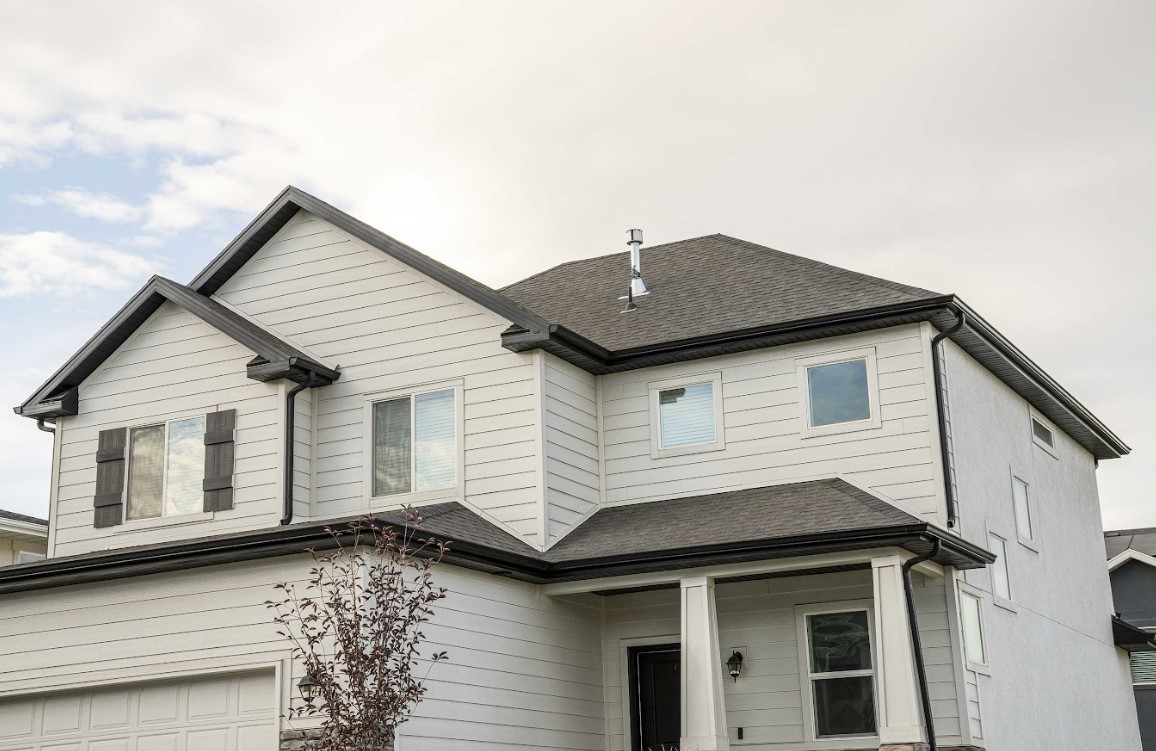
Signs Your Attic Airflow Is Inadequate
Poor ventilation is often invisible from the ground. Warning signs include:
- Shingles cracking or curling prematurely
- Uneven snow melt patterns in winter
- Excessive attic heat in summer
- Mold or mildew smell in attic space
- High cooling costs
You may also notice that your roof appears aged before its expected lifespan. In fact, improper ventilation is one reason asphalt shingles crack in late summer heat cycles. We cover related seasonal stress in Long Island Roof Maintenance Tips Before Fall Storms Arrive.
Ignoring airflow issues reduces the value of even the best roofing materials.
Long-Term Benefits of Proper Ventilation
Ventilation affects more than roof shingles. It influences structural durability and energy efficiency.
Extended Roof Lifespan
Heat trapped in an attic can raise shingle temperatures significantly beyond outdoor air temperature. Lower attic temperatures reduce thermal stress and preserve granules.
Moisture Control
In winter, warm interior air rises into the attic. Without ventilation, condensation forms on rafters and decking. Over time, this can weaken structural wood.
Energy Savings
Balanced attic airflow reduces cooling strain during summer months. While savings vary by home, improved ventilation supports more stable indoor temperatures.
Warranty Protection
Many manufacturer warranties require proper ventilation to remain valid. Installing premium shingles without correcting airflow may void extended coverage.
Pros of Proper Ventilation
- Longer roof lifespan
- Reduced moisture damage
- Better energy performance
- Lower risk of ice dams
Cons of Poor Installation
- Negative pressure imbalance
- Increased indoor energy loss
- Premature roof aging
Proper design matters. Ventilation is not about adding more vents. It is about correct intake-to-exhaust ratio.