After a heavy Long Island rainstorm, it becomes obvious which homes have proper drainage and which do not. Water spilling over the edge of the roofline, pooling near the foundation, or staining siding are all signs that gutter selection and gutter installation were either overlooked or done incorrectly.
In established neighborhoods like Garden City, many homes still rely on aging systems that were never designed for today’s roofing materials or stronger seasonal storms. Whether you are planning a gutter replacement or installing a new system, choosing correctly protects your roof, siding, foundation, and long-term investment.
If you are evaluating gutter selection and gutter installation, focus on:
- Selecting the correct gutter style
- Choosing the right material for durability
- Ensuring proper sizing and slope
- Planning downspout placement carefully
- Avoiding common Long Island drainage mistakes
If you want guidance from a local exterior expert, Rebuild America can help.
Why Gutter Selection Matters in Garden City
Gutters collect rainwater from the roof and move it safely away from the structure. Without a properly sized and installed system, water runs directly off the roof edge and accumulates around the foundation.
Homes in Nassau County experience:
- Heavy summer rainstorms
- Snow accumulation and ice buildup
- Leaf debris in fall
- Freeze-thaw cycles in winter
Improper gutter selection or poor gutter installation can lead to:
- Rotting fascia boards
- Foundation settlement issues
- Basement moisture intrusion
- Siding discoloration
- Ice dam formation
Many older homes on Long Island were built with undersized gutters. Modern roofing systems shed water more efficiently, which means drainage capacity must match runoff volume.
If you want a pricing breakdown before moving forward, review our guide on New Gutter Cost in New York.
What to Know Before Installing New Gutters
Preparation ensures long-term performance.
Budget Expectations
Gutter installation in New York typically ranges from $8 to $12 per linear foot depending on material and style. Larger homes or premium materials such as copper increase total cost.
Fascia and Roof Edge Condition
Gutters attach directly to fascia boards. If the wood behind the existing system is deteriorated, repairs should be completed before installation.
Proper Sizing Matters
Homes with steep roof pitches or large square footage require wider gutters and larger downspouts. Undersized systems are one of the most common causes of overflow.
Drainage Planning
Downspouts should discharge water at least several feet away from the foundation. Extensions or underground drainage may be required in some situations.
Coordinating With Roofing
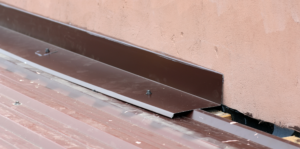
If you are replacing your roof, coordinating gutter installation ensures proper integration with drip edge and flashing systems. Learn more on our Residential Roofing in Garden City page.
A Homeowner’s Checklist for Gutter Selection and Gutter Installation
Choosing the right system involves more than appearance.
1. Select the Right Gutter Style
K-Style Gutters
- Most common residential option
- Higher water capacity
- Clean profile that blends with modern homes
Half-Round Gutters
- Traditional appearance
- Often used on historic homes
- Slightly lower capacity
Box Style Gutters
- Larger capacity
- Suitable for bigger rooflines
The correct style depends on architectural design and roof runoff volume.
2. Choose the Proper Material
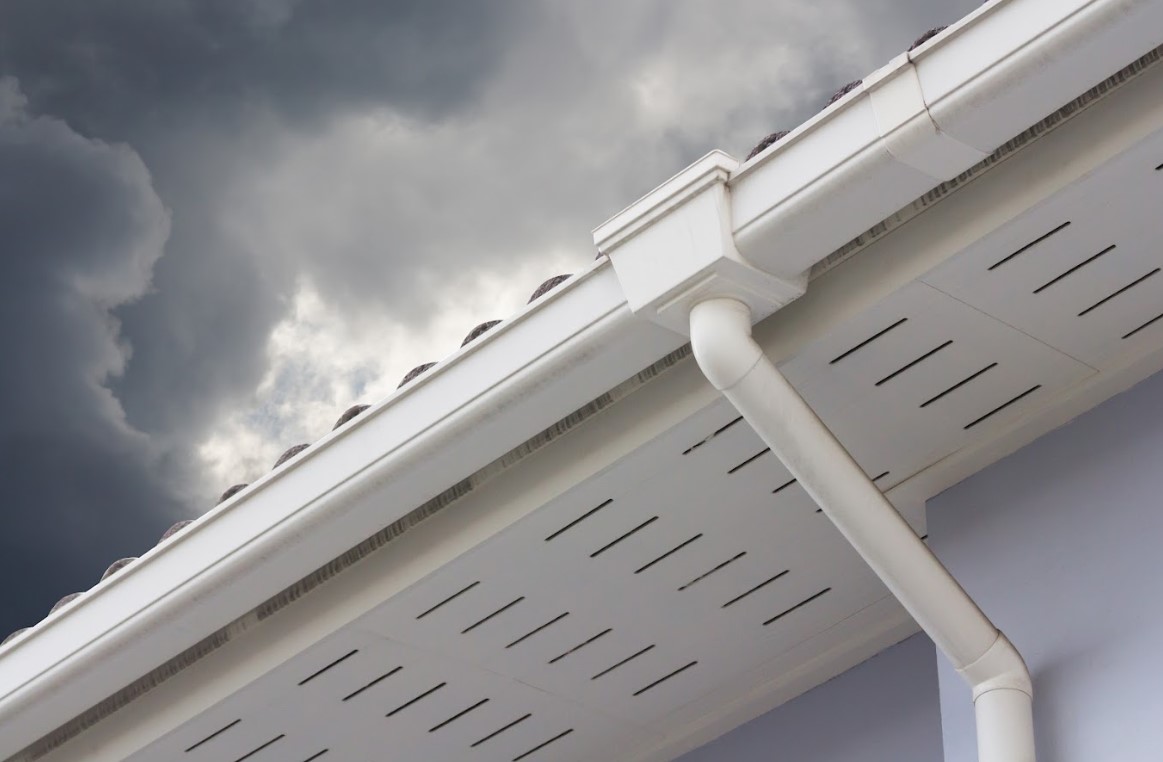
Aluminum
- Lightweight
- Rust resistant
- Cost effective
- Most common residential material
Copper
- Premium appearance
- Extremely long lifespan
- Higher upfront investment
Steel
- Very strong
- Requires coating to prevent corrosion
Material choice should align with your long-term goals.
3. Confirm Proper Pitch and Fastening
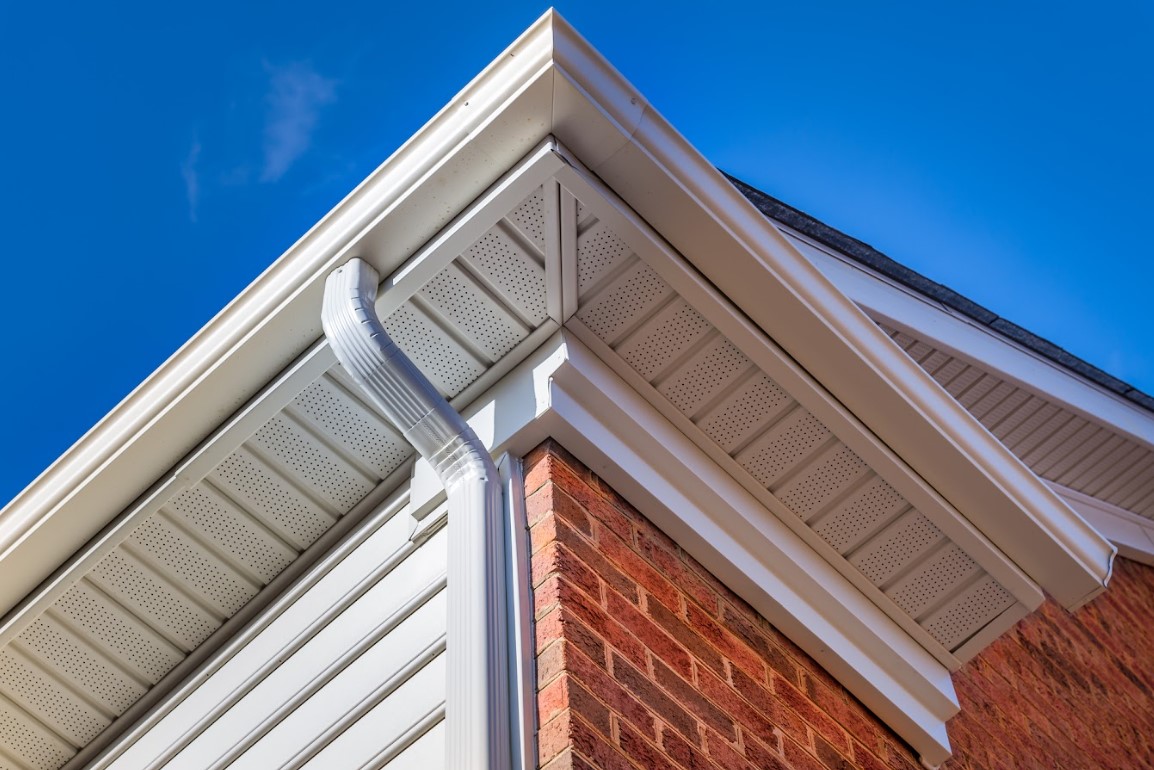
Gutters must be installed with precise slope so water flows efficiently toward downspouts. Standing water leads to sagging and premature failure.
Professional gutter installation includes fastening into structural framing rather than simply attaching to fascia.
4. Plan Downspout Placement
Downspouts must be spaced correctly to handle runoff. Larger homes often require multiple downspouts to prevent overflow during heavy storms.
5. Prepare for Seasonal Stress
Long Island winters create ice buildup when gutters are clogged or improperly pitched. Fall leaf accumulation can restrict drainage.
See our guide on How to Winterize Your Roof and Gutters in Long Island for seasonal protection tips.
Performance, Risk Factors, and Long-Term Protection
The most expensive gutter problems are usually caused by improper sizing or installation.
Common issues include:
- Gutters pulling away from fascia
- Downspouts draining too close to foundations
- Overflow during heavy rainfall
- Ice damage from standing water
Modern gutter systems are designed for greater water capacity and stronger fastening systems. When installed correctly, they protect:
- Roof edges
- Siding
- Window trim
- Foundations
Pros and Cons of Common Materials
Material | Pros | Cons |
Aluminum | Affordable, rust resistant | Can dent under impact |
Copper | Long lifespan, premium look | Higher initial cost |
Steel | Strong and durable | Potential corrosion over time |
Correct gutter selection and professional installation reduce long-term maintenance costs and structural risk.