Let’s set the scene.
It’s February on Long Island. Snow’s melting during the day, refreezing at night. Everything looks fine—until you notice a water spot on your ceiling. Then another. You call in a roofing pro, and the verdict? Water got into a small crack on your roof, froze, and forced the materials apart. That quiet little leak? It’s now a major problem.
We’ve seen this play out more times than we can count. As one of the go-to Long Island, NY roofing companies, we’re here to tell you that ice expansion is real—and if you don’t know what it is, your roof might already be at risk.
Let’s break it down. Here’s what you’ll get in this guide:
- A plain-English explanation of how ice expansion damages your roof
- Why Long Island homes are especially vulnerable
- What to look for before it gets worse
- What to do next (before small cracks become big repairs)
Rebuild America: Roofing, Windows, and Remodeling has been protecting local homes for three generations. If your roof needs a check-up, we’re ready to help.
What Is Ice Expansion—and Why Should You Care?
Here’s the short version.
When water gets into small cracks in your shingles or flashing and then freezes, it expands. That expansion pushes roofing materials apart—making cracks bigger and letting even more water in next time it rains or snows.
Now repeat that freeze-thaw cycle, day after day, all winter long. See where this is going?
Here on Long Island, that cycle is almost daily from December through March. We get a few warm hours of melting, then sub-freezing temps at night. That’s prime time for hidden roof damage.
If you’ve got an older roof, or if your flashing, vent seals, or gutter systems aren’t up to par, your home might already be vulnerable.
What to Do Before the Damage Gets Worse
1. Schedule a Real Inspection
Not just a glance from the sidewalk. Have someone get up there (safely) and check for cracked shingles, exposed fasteners, and soft spots. The earlier you catch the problem, the cheaper it is to fix.
2. Understand What You’re Working With
Got a 20-year-old roof with basic 3-tab shingles? You’re on borrowed time. Newer roofs, especially those with products like GAF Timberline HDZ, hold up better—but they still need regular checks.
3. Know What’s Covered (and What’s Not)
Think your warranty has your back? Maybe. Maybe not. Manufacturer warranties rarely cover damage from poor maintenance. That’s why working with certified roofing companies in Long Island NY—like Rebuild America—matters.
4. Have a Ballpark Budget
Minor repairs from ice expansion might run $600–$1,200. But if water reaches the decking or interior framing, it could lead to a full roof replacement—especially if the roof is already aging.
How Ice Expansion Sneaks In and Wrecks Your Roof
Let’s walk through it like a story, because that’s what your roof is—a living system with a beginning, middle, and (if neglected) a painful ending.
Water Finds a Way In
All it takes is one cracked shingle. One loose nail. One seam near a skylight that wasn’t sealed quite right.
Then It Freezes
At night, the water trapped in that crack freezes. Ice expands, pushing the materials apart a bit more.
Then It Happens Again
Each freeze-thaw cycle widens the opening. Now water can reach your underlayment. Then your decking. Then your insulation.
And You Don’t Notice—Until It’s Too Late
By the time you see stains on the ceiling, ice expansion has already done its damage. And repairs are no longer optional.
This is why experienced roofing companies always recommend proactive winter inspections—especially for homes over 15 years old or roofs that haven’t been checked in a while.
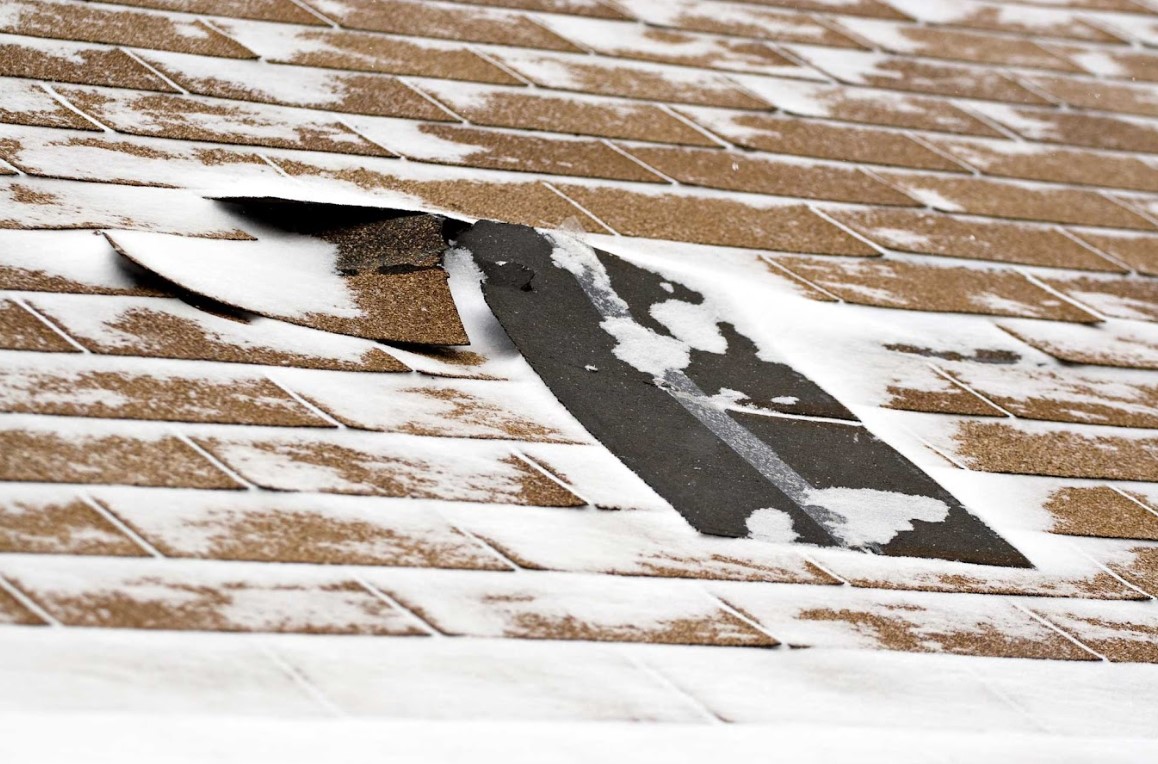
Warning Signs You Might Already Have a Problem
So how do you know if your roof’s taking a beating from ice? Look for:
- Water stains on ceilings or walls
- Ice dams forming on the edge of your roof
- Curling, cracked, or missing shingles
- Drafts or temperature swings in your attic
- That “musty” smell near upper-level ceilings
If something seems off, it probably is. And if you’re not sure, we can come take a look.
Which Roofing Materials Handle Winter Best?
Some roofs handle freeze-thaw cycles better than others. Here’s a quick breakdown:
Roofing Material | Winter Performance | What You Should Know |
Asphalt Shingles | Fair to Good | Affordable, but older ones crack easily in cold weather |
Cedar Shake / Wood | Poor | Absorbs moisture, splits when frozen |
Metal Roofing | Excellent | Sheds snow fast, but pricier upfront |
Synthetic Slate / Tile | Excellent | Great durability, but needs pro installation |
So what does that mean for you? Even if your shingles are newer, the weak points—flashing, valleys, penetrations—still need to be sealed and checked.
Warranties, Workmanship, and Why the Right Roofing Company Matters
Not all warranties are created equal. The big names—like GAF—offer amazing protection, but only if your roof was installed by a GAF Master Elite Contractor. That’s a small list. We’re on it.
With a GAF Golden Pledge Warranty, you’re covered for:
- Materials
- Labor
- Workmanship
That means fewer out-of-pocket surprises if something goes wrong. But if your roof wasn’t installed by a certified pro? Or hasn’t been maintained? That warranty might not hold up.
This is where choosing the right Long Island roofing company upfront really pays off.