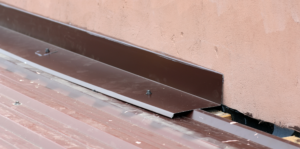
Roof flashing is one of the most important parts of leak prevention, especially on Long Island homes where wind, snow, and heavy rain put extra stress on the roof. In New Hyde Park NY, many roof leaks start around chimneys, skylights, or roof edges, and the problem is often failed roof flashing, not the shingles themselves.
Many homeowners don’t think about flashing until water shows up inside. By that point, the repair is usually bigger than it needed to be. Proper roof flashing is one of the best ways to protect your home and prevent costly damage.
At Rebuild America: Roofing, Windows, and Remodeling, we have more than three generations of experience working on Long Island roofing systems. As a GAF Master Elite contractor, one of the most common causes of leaks we see is flashing that was installed incorrectly or has worn out over time.
Key takeaways
- Roof flashing is critical for leak prevention
- Most leaks start around chimneys, skylights, and walls
- Long Island weather causes flashing to wear faster
- Poor installation causes many roof leaks
- Small flashing problems can lead to expensive repairs
If you are concerned about leaks or roof damage, Rebuild America can help with a full inspection to make sure your flashing and roofing system are sealed correctly.
What is roof flashing and why it matters
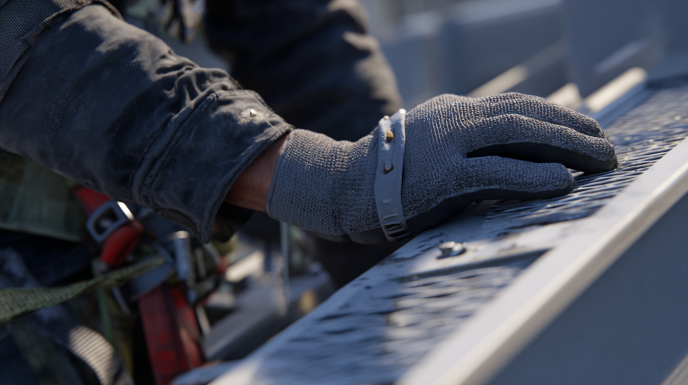
Roof flashing is metal or waterproof material installed on a roof to seal the areas where water is most likely to enter. These are the points where the roof meets another surface or where something passes through the roofing system. Without proper flashing, water can work its way under the shingles and into the structure, which is one of the most common causes of roof leaks on Long Island homes.
Flashing is typically installed around areas like chimneys, skylights, roof valleys, dormers, vent pipes, and roof edges. It is also used on porticos, low slope roofs, and flat roofing sections where water tends to collect or move more slowly. These parts of the roof experience more stress from weather, which makes proper sealing especially important.
The purpose of flashing is simple. It directs water away from seams and joints so it cannot get underneath the roofing materials. When flashing is installed correctly, water flows off the roof the way it is supposed to, instead of finding its way into the house.
A complete roofing flashing system works together with the rest of the roof. Shingles, underlayment, roof decking, edge metal, and sealants all play a role, but flashing is what protects the weak points where leaks usually start. If any part of that system is installed wrong, the roof may look fine from the outside while water is getting in underneath.
At Rebuild America, flashing is installed on all types of roofing systems, including asphalt shingle roofs, metal roofs, slate roofs, cedar roofs, flat roofing systems, and low slope roofs. Each material requires a slightly different flashing method, which is why experience matters when working on older Long Island homes.
Proper flashing may not be the most visible part of the roof, but it is one of the most important. When it is installed correctly, it helps the entire roofing system last longer and prevents the kind of leaks that can lead to expensive repairs later.
Why flashing failure causes roof leaks
Most homeowners assume roof leaks come from damaged shingles, but we often find the real problem is flashing. On many Long Island homes, flashing fails long before the shingles wear out, especially if the roof was installed incorrectly or repaired without replacing the metal.
Common flashing problems usually happen for a few specific reasons.
| Cause of flashing failure | What happens | Where leaks usually appear |
| Old metal that has rusted | Metal weakens and allows water through | Chimneys, valleys, roof edges |
| Improper nailing | Water can get under the flashing | Step walls, dormers |
| Missing flashing pieces | Joints are left unsealed | Skylights, vents, walls |
| Wrong materials used | Flashing breaks down faster | Low slope roofs, flat roofs |
| Poor installation | Water flows under roofing instead of off | Anywhere roof meets a wall |
| Flashing reused during roof replacement | Old metal fails before new shingles | Chimneys, valleys, skylights |
We see this especially often on older Long Island homes where previous repairs were done without replacing the flashing. In many cases, the shingles still look fine, but the leak starts at one of the weak points in the roofing system.
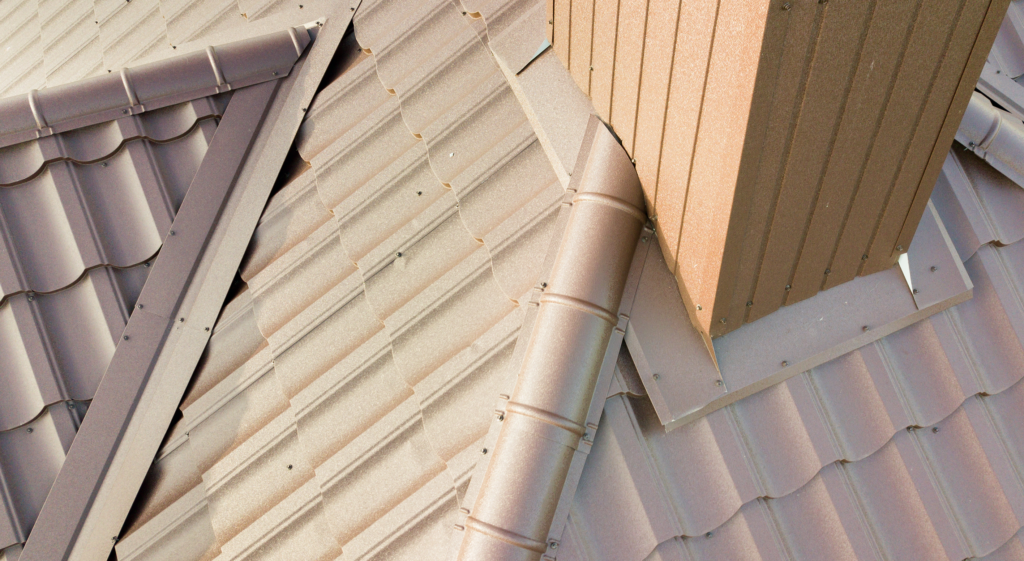
Most leaks begin around areas like chimney flashing, step flashing, skylight flashing, valley flashing, or vent flashing because these spots rely on proper metal layering to stay sealed.
Our factory trained installers are taught to install a complete roofing system, not just shingles. Proper flashing installation is one of the most important parts of roof leak prevention and one of the first things we check during an inspection.
Types of roof flashing used on Long Island homes
Different parts of the roof require different flashing.
| Type of flashing | Where used |
| Step flashing | Where roof meets wall |
| Chimney flashing | Around chimney |
| Valley flashing | In valleys |
| Counter flashing | Over step flashing |
| Drip edge flashing | Roof edges |
| Skylight flashing | Around skylight |
| Vent flashing | Around pipes |
| Flat roof flashing | Low slope roofs |
| Metal roof flashing | Metal roofing |
Different roofing materials require different flashing methods.
Modern systems like GAF roofing and Velux skylights require proper flashing to maintain warranty coverage.
Roof flashing and leak prevention in the New Hyde Park climate
Weather on Long Island puts extra stress on flashing.
Homes in New Hyde Park deal with:
- Snow and ice
- Heavy rain
- Strong winds
- Hot summers
- Freeze and thaw cycles
- Coastal moisture
These conditions cause flashing to expand, contract, and wear out faster.
We often see flashing failure after:
- Ice dams
- Storm damage
- Old roof replacements
- Poor repairs
- Incorrect installations
After working on thousands of Long Island homes, we know most leaks start at flashing, not shingles.
Roof flashing protection tips for New Hyde Park homeowners
If you want to prevent roof leaks, flashing should be checked regularly.
Here are some simple protection tips we recommend.
- Inspect flashing after major storms
- Replace flashing during roof replacement
- Do not reuse old flashing
- Check chimney flashing every year
- Look for rust or loose metal
- Keep roof valleys clean
- Inspect skylight flashing
- Check low slope and flat roof edges
Small problems caught early can prevent major repairs later.
Most flashing issues start small and get worse over time.
Common flashing mistakes we see on Long Island homes
After working on roofs for decades, we see the same problems over and over.
Common mistakes include:
- Flashing reused during roof replacement
- Nails exposed in flashing
- Sealant used instead of metal
- Missing counter flashing
- Cheap materials
- Poor layering of flashing pieces
Bad flashing work is one of the biggest reasons roofs leak before they should.
Correct installation is just as important as the materials.
Signs your roof flashing may need repair
Watch for these warning signs:
- Leak near chimney
- Water stain on ceiling
- Rusted flashing
- Cracked sealant
- Loose metal
- Missing flashing
- Leak near skylight
- Leak near wall
During inspections, we check what we call the weak points of the exterior.
Fixing flashing early can prevent damage to:
- Roof deck
- Insulation
- Interior walls
- Ceilings
- Siding
Waiting too long usually makes repairs bigger.
Why proper flashing installation matters
Many leaks happen because flashing was not installed correctly.
Bad work often happens when:
- Contractors rush the job
- Old flashing is reused
- Wrong materials are used
- Pieces are not layered correctly
- Sealant is used instead of metal
At Rebuild America, flashing is installed as part of the full roofing system.
We are a:
- GAF Master Elite contractor
- President’s Club award winner
- Factory trained installer
- Long Island based company
- More than 3 generations in construction
Correct installation is the key to long-term leak prevention.
Roof Flashing During Roof Replacement or Remodeling
Flashing should always be checked whenever exterior work is done on the home. Many roof leaks start because flashing was left in place during a previous repair or was not replaced when the roof was updated. Even if the shingles are new, old flashing can fail and allow water to get into the structure.
We often replace flashing during roof replacement, skylight installation, siding projects, dormer work, additions, portico roofs, and low slope roof sections. These are all areas where the roof meets another surface, which means they rely on proper flashing to stay sealed.
Doing this work at the same time helps prevent future leaks and keeps the entire exterior system working together. When flashing, roofing, siding, and trim are installed correctly as one system, the home stays better protected and the repairs last longer.
Roof Flashing and Leak Prevention FAQs for New Hyde Park Homeowners
Homeowners in New Hyde Park often ask similar questions when dealing with roof leaks, flashing repairs, or roof replacements. Below are some of the most common questions we hear after working on Long Island roofs for decades.